What the Plant Gives and What We Receive
There’s a quiet kind of misunderstanding that can happen when we look at herbal research without pausing to consider how a plant was prepared. We speak of herbs as though they are fixed in their actions, this for that, that for this, as if everything a plant holds can be accessed in any form, at any time. But plants don’t offer themselves that way. They are more particular than that. More relational. Solubility reminds us of this.
A plant does not give everything it is, all at once. It offers different aspects of itself depending on how we meet it, through water, through alcohol, through time, through warmth or coolness. Each preparation becomes a kind of conversation, and what we receive is shaped by the way we ask.
Marshmallow root has been sitting with me in this. Its soothing action for the digestive tract comes largely from its polysaccharides, those soft, mucilaginous compounds that coat and protect. But they don’t rush toward heat. They don’t dissolve easily in alcohol. They require patience, coolness, gentleness. And so, if we were to study marshmallow using a hot infusion or a tincture and find little effect for irritation or heartburn, we might be tempted to conclude that the plant itself is lacking. But the truth is quieter than that. The preparation did not match the chemistry. The conversation was misaligned. The plant was not ineffective. It was simply not met in the way it needed to be.
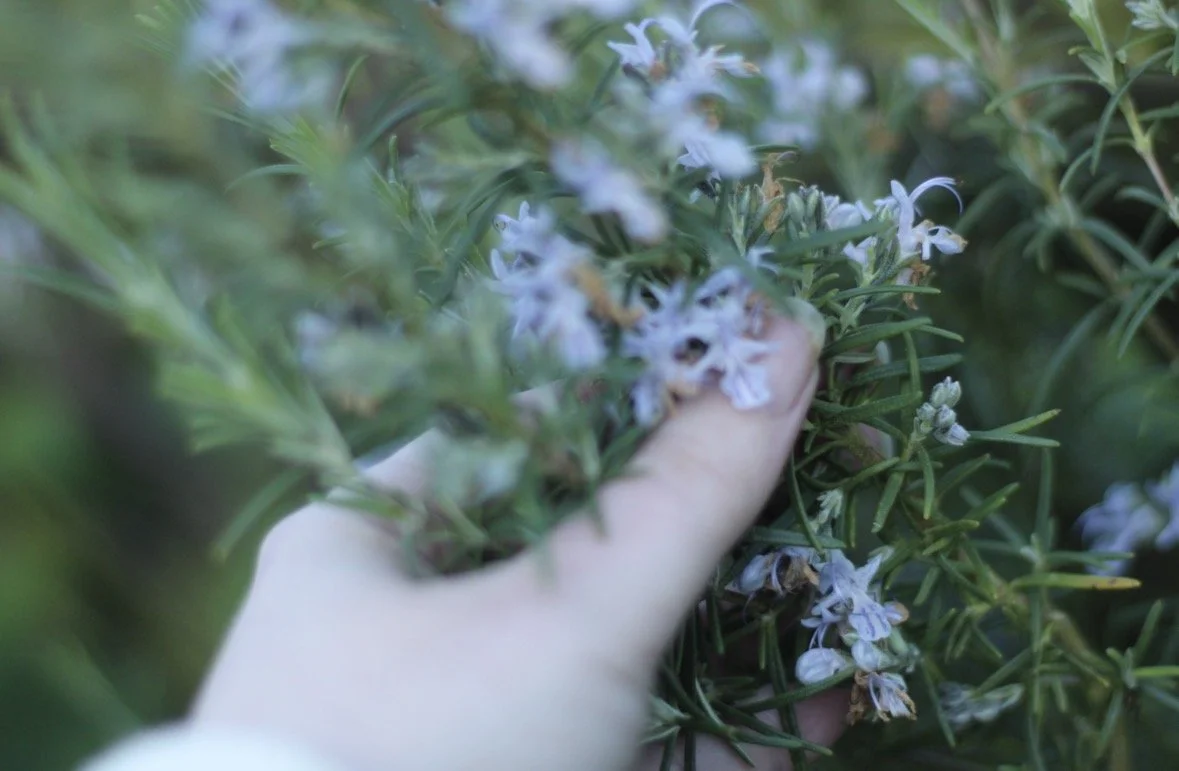
Rosemary offers a different lesson. Its essential oil carries the bright, volatile compounds, sharp, aromatic, enlivening. But this is only one expression of the plant. A tea draws out something else entirely: heavier, water-soluble constituents that move more slowly, working deeper and in different ways. To choose one preparation over another is not just to change the form, it is to change the very nature of what we are working with.
This is where herbal research becomes both valuable and limited. Studies can tell us something true, but only within the context of a specific preparation. They cannot define the whole plant. They cannot speak for everything it is capable of offering. And perhaps this is where the lesson softens into something more human. I find myself wondering if we are not so different. If the environments we move through act as our own kind of menstruum.
If what we express, what is seen, felt, and received from us, is shaped not only by who we are, but by the conditions we are placed within. There are parts of us that require warmth to emerge, and others that only reveal themselves in stillness. Some aspects of our nature soften in the presence of safety, while others sharpen under pressure. There are qualities within us that cannot be accessed in certain environments at all, not because they do not exist, but because they are not being drawn out.
A gentle, sensitive person placed in a harsh, hurried world may appear closed or withdrawn. Not because they lack openness, but because the conditions do not allow that part of them to surface. In a different setting, one that is slower, kinder, more attuned, the same person may feel entirely different to be around. Softer. Warmer. More themselves. Like marshmallow in cold water, some things simply need the right conditions. It makes me wonder how often we misread both plants and people. How often we assume something is ineffective, distant, or lacking, when in truth it has simply not been met in the right way.
As herbalists, we are not only working with plants. We are working with preparation, with chemistry, with relationship. We learn to ask not just what herb is being used, but how it is being prepared and whether that preparation truly reflects the action we hope to see. Perhaps we might begin to ask the same of ourselves. Not what is wrong with me? But what conditions allow me to fully express what I carry? Not why does this part of me disappear? But what kind of environment would gently draw it forward? Because maybe it isn’t that we change. Maybe it is simply that, like the plants we work with, different environments draw out different aspects of what has always been there.
And when we begin to understand that, something softens. We stop forcing what cannot be extracted. We start listening for what is quietly waiting to be received. And in that space, both plant and person are met a little more truly.