Sunrise, Rhythm and Remembering Ourselves
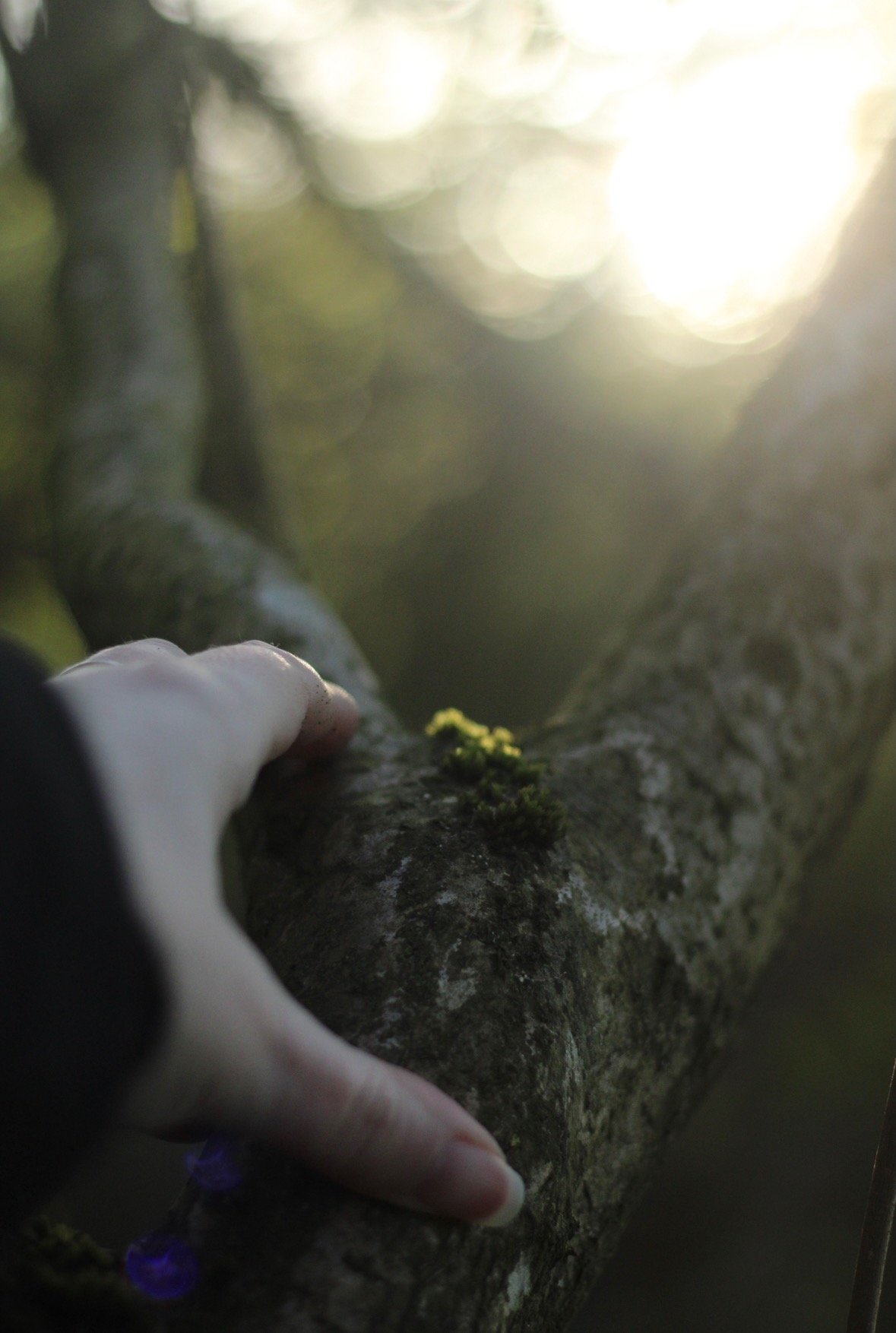
Sunrise arrives quietly. So quietly, in fact, that if we are not paying attention, we might miss the moment it begins. There is no suddenness to it. No demand. No need to be seen. Just a slow unfurling of light along the edge of the world, as though the day is being gently opened. The trees stand in stillness, their branches etched softly against the sky, holding that in-between space where night has not quite left, and morning has not yet fully arrived. And then, almost imperceptibly, everything begins to soften.
The darkness loosens its hold. The horizon warms. And light, in its own unhurried way, finds its way back. There is something deeply reassuring in that. Not as a message, not as a lesson, but simply as something we can witness. The quiet return of light. The steady turning of the day. The world continuing, just as it always has. And perhaps that is enough, to stand for a moment in that stillness, and watch it arrive.
There was a time when this moment mattered more than we realised. Before artificial light and late evenings stretched beyond the body’s natural rhythm, morning did not begin with urgency. It began with a gradual return. Light entering the room. Birdsong threading through the air. The slow stirring of the body. We did not need to understand circadian rhythm then. We were held within it. Now, we often find ourselves trying to recreate something we have quietly stepped out of. Sleep becomes something to manage. Waking becomes something to force. And the space between night and day, the place where the body naturally transitions, can go unnoticed. Yet the body still remembers.
Morning light, particularly in those first soft hours after sunrise, plays a subtle but powerful role in regulating our internal rhythms. Light received through the eyes signals to the brain that night has ended. Melatonin begins to fall. Cortisol rises gently. The body temperature shifts. The nervous system moves, almost imperceptibly, from rest toward readiness. Not abruptly. Not with force. But with a kind of quiet intelligence that mirrors the light itself. Over time, this supports: more consistent sleep-wake cycles, improved depth and quality of rest, steadier energy throughout the day. But perhaps more than this, it restores a sense of timing, an internal sense of when to wake, when to rest, when to move, when to soften.
When this rhythm is disrupted, the experience of sleep can change in many different ways. Some find it difficult to fall asleep at all, the mind continuing long after the body is ready to rest. Others fall asleep easily, but wake in the early hours, unable to return. Some feel heavy and unrefreshed on waking, as though sleep has not truly reached them. Others wake too early, alert before the light has fully returned. From a herbal perspective, these are not the same experience. They are different expressions of imbalance, each with their own underlying pattern. And so they ask for different kinds of support.
In traditional Western herbalism, we do not only ask what is happening. We ask: How is it happening Is there heat in the system? Is there dryness or tension? Is there stagnation, or depletion? Is the person: restless and wired? Exhausted but unable to settle? Waking between certain hours? Holding emotion that has not yet been processed? These patterns matter. Because the herbs that support one form of sleep disturbance may not suit another.
Rather than prescribing, we can think of herbs as companions, each offering something slightly different, depending on what is needed. Where thoughts continue into the night, herbs such as skullcap or lemon balm may offer gentle support. These are not sedatives in a forceful sense, but allies that soften mental tension and allow the nervous system to begin to settle. Where sleep is disturbed by what has not yet been processed, rose and hawthorn may offer something deeper. These are heart-centred herbs, working not only on the physical heart, but on the emotional landscape that so often influences our rest. Where sleep is light, broken, or unrefreshing, and the body feels worn, nourishing herbs, oatstraw, for example, can help to rebuild over time, supporting the system rather than overriding it. Where sleep is disturbed by physical tightness or nervous tension, herbs like valerian or passionflower may help to release what is being held. Each of these reflects a different kind of need. Not better. Not worse. Just different.
The herbs do not replace the rhythm. They support the body in remembering it. And perhaps one of the simplest ways to begin that remembering is to return to the light itself. Not as a task. But as a meeting. Stepping outside in the early morning. Allowing the light to reach the eyes. Standing for a moment before the day begins. Even a few minutes can begin to shift something subtle. A signal to the body. A reorientation. A quiet beginning. A Gentle Integration. This is not about doing everything perfectly. It is not about rising at dawn each day or changing everything at once. It is about noticing that this moment exists. And that it is available to us. Again and again.
Each morning, the light returns. Not urgently. Not loudly. But faithfully. And perhaps, in meeting it, even briefly, we begin to remember something within ourselves. That rest can come. That rhythm can return. That not everything needs to be forced. And perhaps that is enough. To stand for a moment in that stillness, and watch it arrive.
A Note on Care: Herbal support is deeply individual. What is helpful for one person may not be suitable for another, particularly where there are underlying health conditions, medications, or more complex presentations. If you are experiencing ongoing sleep difficulties, it is always advisable to seek guidance from a qualified healthcare practitioner or clinical herbalist who can work with your individual needs.
Disclaimer: This article is for educational and reflective purposes only and is not intended as medical advice. Always consult a qualified healthcare professional before using herbal remedies, particularly if you have existing health conditions or are taking medication.