A Little Fire for the Colder Days
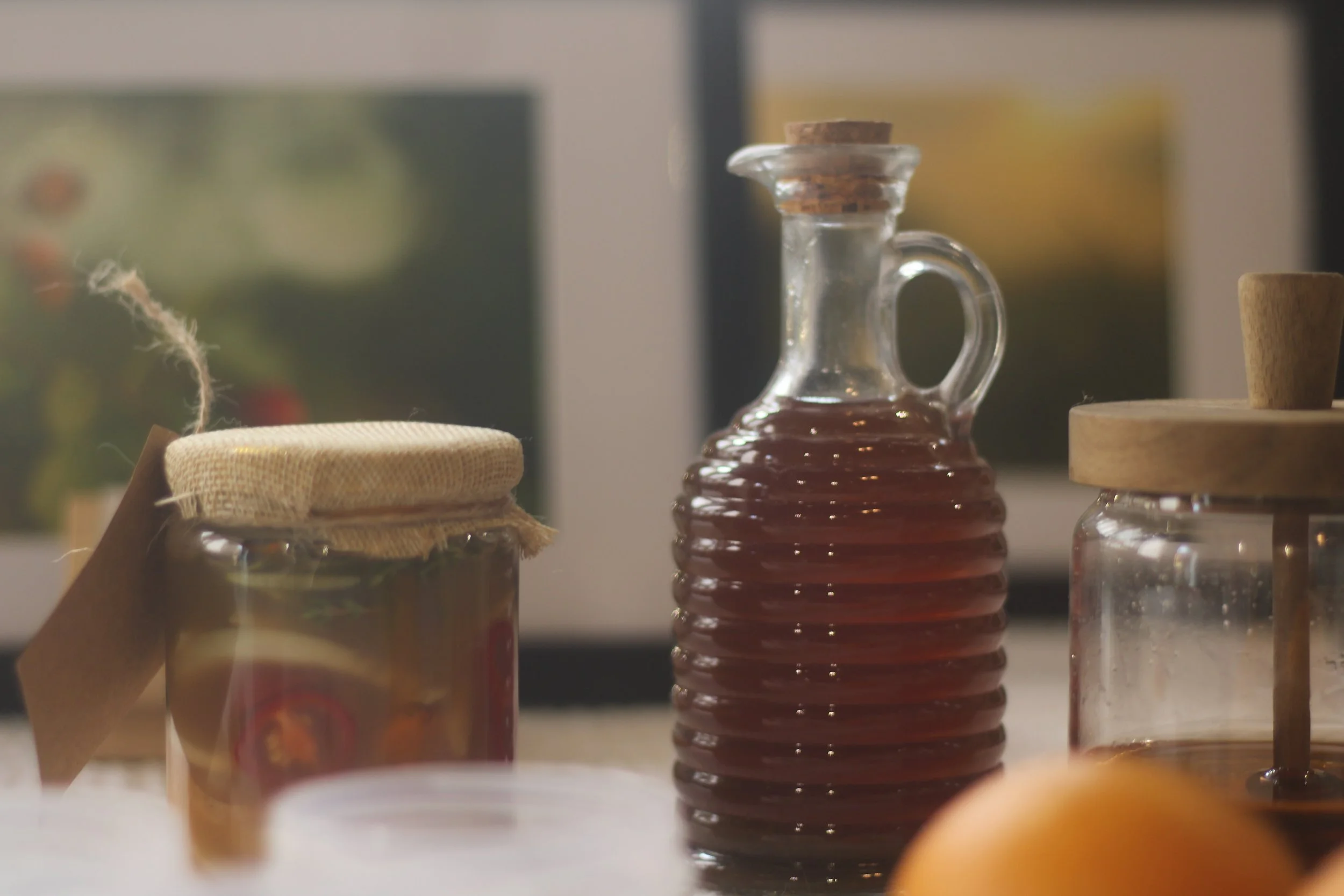
The first leaves have fallen, the trees are beginning to change colour, and the mornings carry that unmistakable autumn chill that makes the warmth of a kitchen feel all the more inviting. It is the season of roots and berries, of gathering and preparing, of filling jars with the things that will sit quietly on shelves as the year makes its slow descent towards winter.
At my recent fire cider workshop, the table was filled with all the colours of the season: golden turmeric staining fingertips, slices of fresh ginger, papery-skinned garlic, onion, bright red chillies, citrus, rosemary and thyme, with bottles of apple cider vinegar waiting to draw everything together. There is something special about making with herbs together, gathering around a table as the evenings draw in and preparing jars that will continue steeping as autumn turns towards winter.
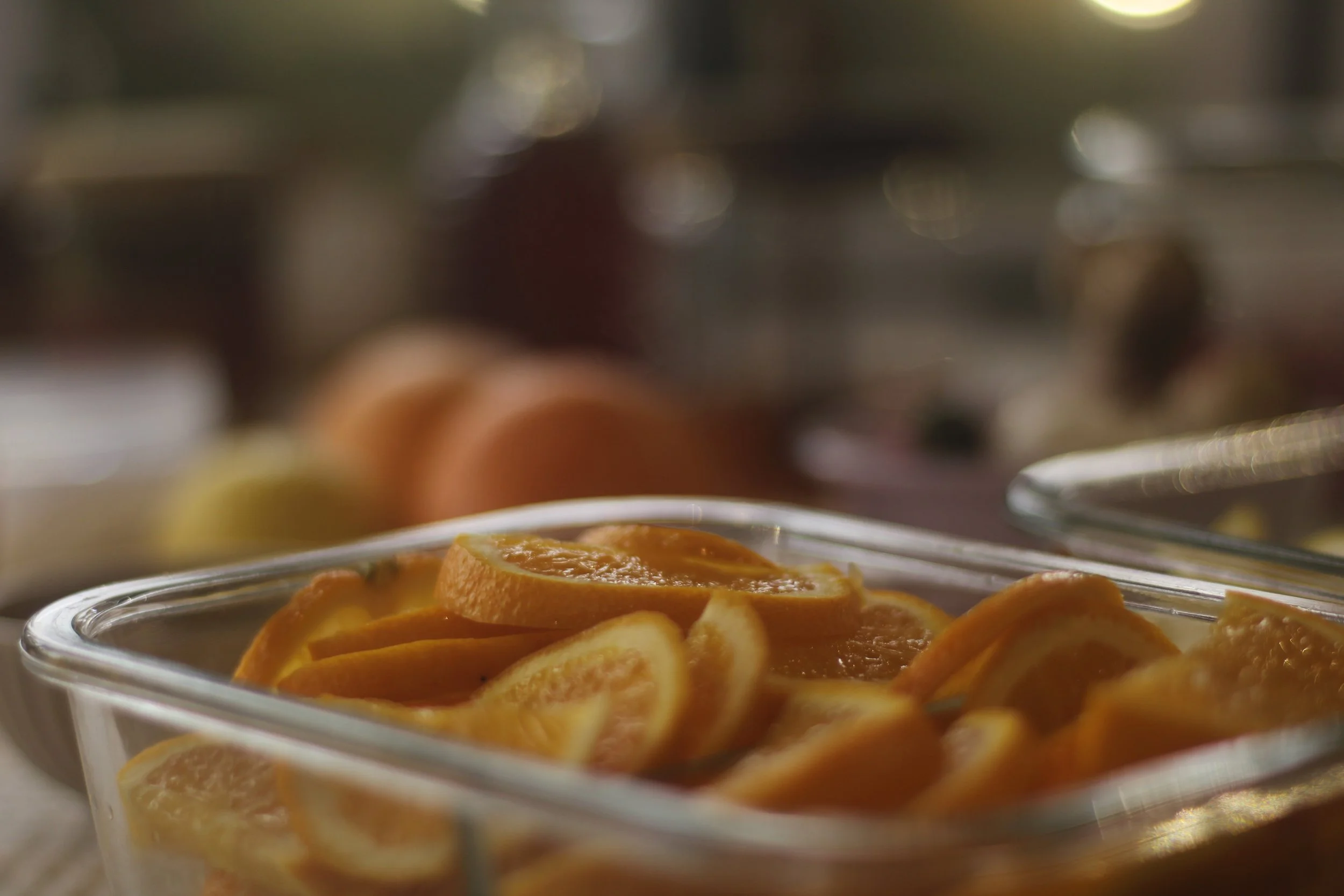
Fire cider is a beautiful reminder that herbalism does not always begin with rare plants or complicated preparations. Sometimes it begins in the kitchen, with ingredients that might already be tucked into cupboards, growing beside the back door, or waiting in a basket on the table.
As each jar slowly filled, there was time to talk about the plants themselves, about warming herbs and pungent roots, about taste and tradition, and about the ways people have long prepared herbs through the colder months. No two jars needed to be exactly alike. A little more ginger here, fewer chillies there, another sprig of rosemary pushed down amongst the roots. And I think that is one of the things I love most about herbalism. It is knowledge carried through the hands as much as through books; something learned by chopping, smelling, tasting and noticing.
By the end of the workshop, ordinary ingredients had become jars glowing gold and red on the table, ready to be taken home and left to steep while autumn quietly deepened outside. A little fire, bottled for the colder days ahead.
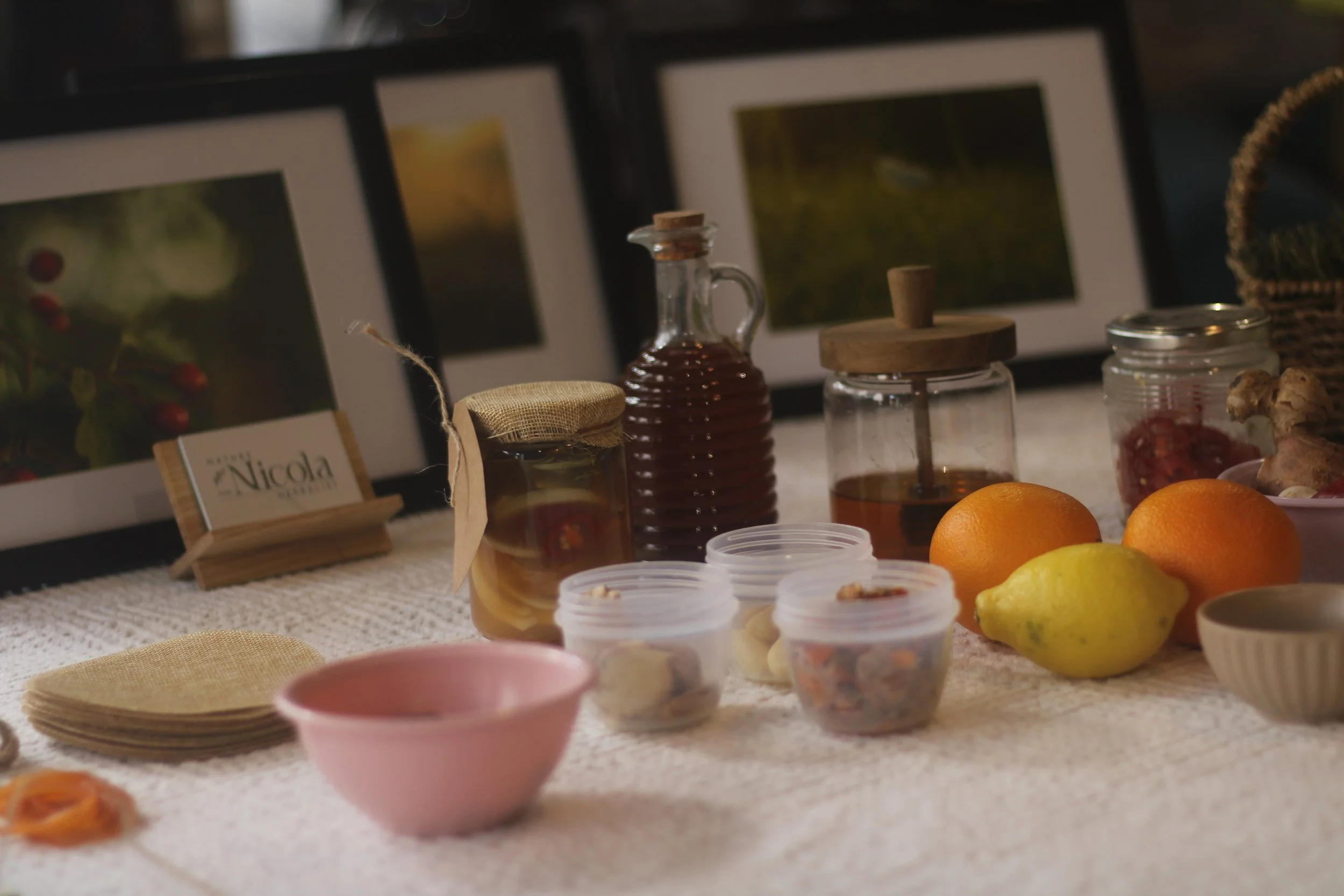
If you made a jar with us, remember to give it a gentle shake every day or two and leave it to steep for four to six weeks before straining, then add honey to taste.
I’ll be returning to The Wenlock Witch with more seasonal workshops in the spring, and I’m also happy to arrange private workshops for small groups. If you’d like to gather around a table and make something together, you can contact me at nicola@naturewithnicola.com