After the Storm
People often assume that I decided to study herbalism because of my own health journey. While that is partly true, it isn’t the whole story. The truth is that my path into herbal medicine began long before I ever opened a textbook or enrolled on a course.
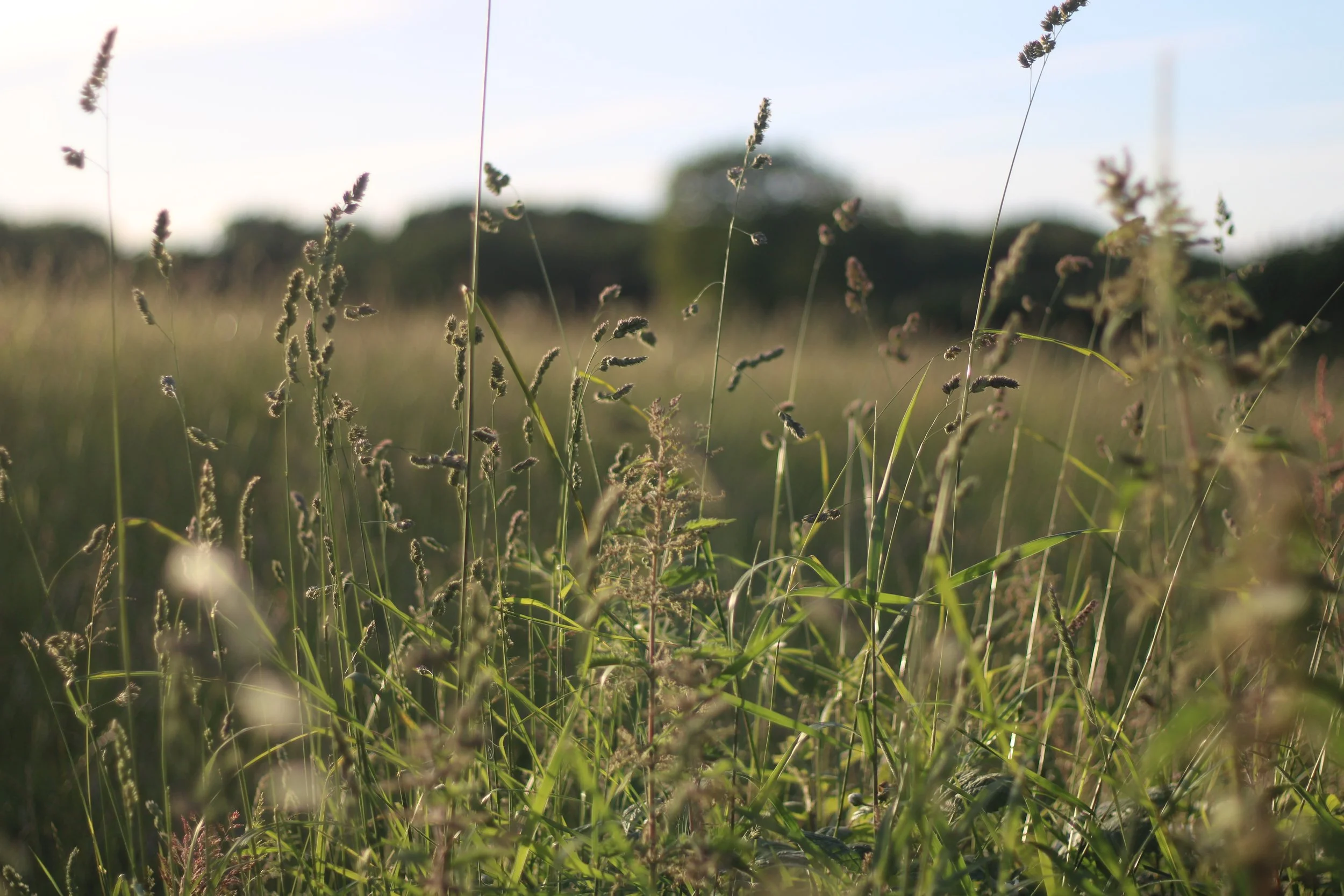
I’ve always loved plants. As a child, I was happiest outdoors. I loved wildflowers, gardens, woodlands, and the changing seasons. I noticed the small things: the first snowdrops of spring, seeds drifting on the wind, berries ripening in the hedgerows, and the subtle changes that marked the turning of the year.
The natural world always felt like home. At the time, I had no idea that plants would one day become such an important part of my life. They were simply something I loved. Years later, however, life took an unexpected turn.
Following a health event, I developed POTS (Postural Orthostatic Tachycardia Syndrome). Suddenly, things that I had once taken for granted became difficult. My world became much smaller, and I found myself spending a great deal of time attending appointments, undergoing tests, and searching for answers.
Eventually, I sat across from a cardiologist and listened as he explained the reality of the condition.
“There is no cure. You’ll have to learn to live with the symptoms.”
I remember leaving that appointment feeling deeply frustrated. Not because the cardiologist had done anything wrong. He was giving me the best information available to him. But I wasn’t ready to stop asking questions.
I wanted to understand what was happening inside my body. I wanted to know why certain things seemed to help while others made me feel worse. Most of all, I wanted to feel that there was something I could actively do rather than simply accept that this was how life would always be.
When I got home, I found myself reaching for an old book. It was a copy of Culpeper’s British Herbal that had belonged to my great-great-grandfather. The book had sat quietly on a shelf for years. I opened it and began to read. Page after page introduced me to a world that felt both completely new and strangely familiar.
I had always been drawn to herbal medicine. Long before I understood herbal actions or plant chemistry, I found myself fascinated by the idea that the plants growing around us might have stories to tell and wisdom to share. I loved hearing about traditional uses, old remedies, and the relationship people once had with the land.
Yet until that moment, it had remained little more than an interest. As I turned the pages of my great-great-grandfather’s herbal, something shifted. The plants I had admired throughout my life suddenly revealed another side of themselves. They were no longer simply beautiful companions in hedgerows and gardens. They carried histories, traditions, folklore, and centuries of practical use.
I found myself wanting to know more. Not just what plants were called, but how they had been used. Not just the stories surrounding them, but the science behind them. Not just what was written in old herbals, but how herbal medicine was practised safely and responsibly today.
I also realised something important. While the book contained a wealth of traditional herbal knowledge, I didn’t know how to use plants safely. I didn’t understand dosage, contraindications, physiology, or the many considerations involved in working with herbs responsibly.
I knew enough to know that I needed proper training. So I enrolled at Wild Rose College. At the time, I thought I was simply looking for answers. What I didn’t realise was that I was stepping onto a path that would change the course of my life.
What began as a search to better understand my own health soon became a deep fascination with herbal medicine itself. I found myself captivated by the way herbs could be understood through science, tradition, observation, and experience all at once.
As time passed, something else began to change. Little by little, my health started to improve. Life became larger again. Not perfect, and not without challenges, but I began to feel more like myself.
During that time, I often thought back to those early days. I remembered the fear, the uncertainty, and the feeling of being completely overwhelmed by a future I didn’t understand. I knew what it was like to sit in an appointment and leave with more questions than answers. I knew what it was like to feel frightened and alone.
And I realised that I wanted to help other people who found themselves in that same place. Not by promising miracles or easy answers, but by offering knowledge, support, and the reassurance that they didn’t have to navigate their health journey entirely on their own.
What had begun as a personal search for answers was slowly becoming something more. It was becoming a calling. The more I studied, the more I wanted to learn.
I learned about anatomy and physiology, herbal actions and energetics, safety considerations, traditional uses, and the remarkable ways in which humans have worked with plants throughout history. I also discovered something unexpected. Herbalism wasn’t simply about herbs. It was about relationship. Relationship with our bodies. Relationship with the natural world. Relationship with the seasons, with place, and with the quiet act of paying attention.
Looking back now, I can see that the appointment with the cardiologist was not the beginning of my story. It was simply the moment when several threads finally came together. When people ask why I decided to study herbalism, they often expect a simple answer. The truth is that there wasn’t just one reason. There was a cardiologist’s office. There was a diagnosis. There was a refusal to stop asking questions.
But there was also a child who loved wildflowers, a woman who found comfort in the natural world, and a lifelong fascination with the plants growing quietly around us. Perhaps herbalism wasn’t something I discovered at all. Perhaps it was something I was always walking towards.